
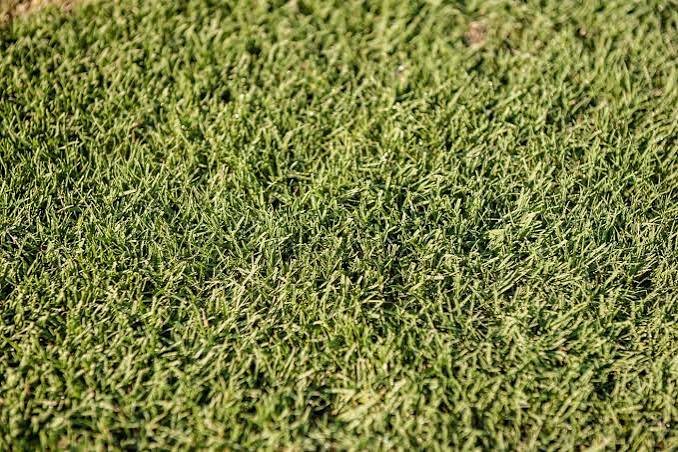
Bermuda is a forgiving grass, but it likes a rhythm. Do the right job at the right time and it rewards you with thick, deep green turf. Do it at the wrong time (fertilizing in October, say) and you're mostly feeding weeds. Here's a month-by-month schedule for Tifway 419 and other Bermuda lawns in Georgia, based on UGA Extension guidance for warm-season grasses. Dates shift a little with the weather, so treat them as a guide.
Where We Are Now: October and November
It's mid-October, so we'll start here. Bermuda is slowing down as nights cool off, and it will turn tan after the first hard frosts. That's normal dormancy, not death.
- Mowing: Keep mowing as long as the grass is growing, at your usual height. Gradually stretch the interval as growth slows.
- Leaves: Don't let them pile up and smother the turf. Mulch them with the mower or rake them off.
- Watering: Cut back. Water only if it's been dry for a couple of weeks.
- Fertilizer: None. Feeding now pushes tender growth just before frost.
- Soil test: Fall is a good time. If it calls for lime, it can go on now.
December Through February: Dormant Season
Your lawn is asleep, so leave it mostly alone.
- Mowing: Rarely needed. Pick up sticks and debris.
- Watering: If it goes several weeks with no rain, a light watering keeps roots from drying out. Otherwise, skip it.
- Traffic: Limit heavy foot traffic on frosty, dormant turf.
- Late February: Get your pre-emergent herbicide ready. It needs to go down before weed seeds germinate.
March: Wake-Up Call
When soil temperatures reach the mid-50s, usually late February into March in Georgia, apply a pre-emergent to stop crabgrass and other summer weeds. Follow the label closely.
Once the lawn begins greening up, give it a first mow, bagging or removing the dead top growth. Don't fertilize yet. Fertilizing before the grass is actively growing mostly helps weeds.
April and May: Green-Up and Feeding
Once the lawn is fully green, the growing season is on.
- Fertilizer: Make your first application after full green-up, typically in April or early May. A soil test tells you exactly what you need. As a general rule, Bermuda likes about 0.5 to 1 pound of nitrogen per 1,000 square feet per application.
- Mowing: Mow weekly at about 1 to 1.5 inches for hybrid Bermuda like Tifway 419, following the one-third rule: never remove more than a third of the blade at once.
- Watering: About 1 inch per week, including rain. Water deeply and less often, ideally early in the morning.
June and July: Peak Growth
Bermuda loves the heat, and this is when it looks best.
- Mowing: You may be mowing twice a week at times. Keep blades sharp.
- Watering: Keep up the 1 inch per week. Use a tuna can or rain gauge to check how much your sprinklers deliver.
- Fertilizer: Repeat feedings about every 4 to 6 weeks, following your soil test and the label.
- Aeration and dethatching: Early summer is the right window if the lawn is compacted or the thatch layer is thick.
- Watch for pests: Brown patches that don't respond to watering may be armyworms or other insects. Catch them early.
August: The Last Feeding
Give your final fertilizer application in August, no later than early September. Feeding later than that can leave the grass vulnerable to winter damage. Keep mowing and watering on schedule, and watch for drought stress during dry spells.
September: Prep for Fall
- Weeds: A fall pre-emergent around mid-September helps block winter weeds such as annual bluegrass.
- Mowing: Stay on schedule. Some people raise the height a touch as growth slows, though Bermuda stays happiest kept fairly short.
- Watering: Taper toward the cooler-weather routine.
A Few Rules That Apply All Year
- Mow high enough that you're not scalping, except for the single low mow at spring green-up.
- Water deeply, not daily. Frequent shallow watering encourages weeds and shallow roots.
- Get a soil test every year or two. Guessing at fertilizer wastes money.
- Remember the sun. Bermuda needs a full day of sun, 8 or more hours. If an area is thinning because trees have grown in, no schedule will fix it. That spot may be better suited to a shade-tolerant zoysia.
Don't Go It Alone
A schedule is only useful if someone follows it, and timing is where most lawns slip. Working with an experienced local lawn care team can take the guesswork out of it. They know how a Georgia season actually plays out, can spot problems like pests, disease and compaction early, and can adjust the plan for your soil and yard. That's especially valuable the first year after installing new sod. Arbornomics is our recommended lawn care and landscaping partner for exactly that reason.
Thinking About a New Bermuda Lawn?
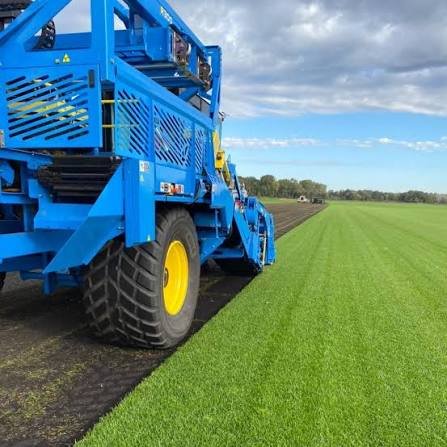
Go Green Sod delivers fresh Tifway 419 Bermuda at $200 per pallet. It's harvested the same day it's delivered, with evening delivery between 6 pm and 8 am. There's a 3 pallet minimum per order, and orders can be changed up to 48 hours before delivery. Ready to start, or have questions about which grass fits your yard? order sod at gogreensod.com, or call or text us at (678) 237-3111.